
The Time I Found Out I was Replaced…via a Slide Deck
I've had some bad days in my career. But nothing quite prepared me for the moment I found out I'd been replaced. Live. In a meeting. From a bullet point on a slide deck.
Read on to find out what happened next, and why it turned out to be a bigger turning point than I ever expected.

Stop Chasing Perfect: Treat Your First Attempt as a Throwaway
I used to spend hours, sometimes days, crafting the “perfect” spreadsheet. The formulas were dialed in, the formatting looked beautiful, and the data was impeccable. But for one reason or another, it just wasn’t coming together. It didn’t feel good enough to share. It was clunky to maintain, hard to update, or I’d realize I should have structured the whole workbook differently.
What would I do? Throw it in the trash and start over from scratch!

What the Most Boring Job I Ever Had Taught Me About Getting Better
One of my first jobs was at a place called Insty-Prints, a quick print shop that was home of the $9.95 Business Card Special. You could have 500 business cards printed on either white or cream linen card stock with your choice of three ink colors: black, black, or black. Place your order by Wednesday and your cards would be ready the following Monday.
I Hate to Bother You, But Will You Please Read This?
“I know you’re busy and I really hate to bother you, but would you mind reading this article? I’m not sure if it will help or not, but it will probably take just a few minutes to read and I’m pretty sure you’ll like it. Thanks. I really appreciate it!”
You’re probably cringing as you read that. So did I when I wrote it.

A Productivity Tip from Ernest Hemingway
What comes to mind when you hear the name Ernest Hemingway? For me, it’s my 10th-grade literature class, where we were required to read The Old Man and the Sea. Maybe The Sun Also Rises or A Farewell to Arms comes to your mind.
Recently, something about Hemingway caught my attention that had nothing to do with the content of his books. It’s a productivity tip called the Hemingway Bridge.
The Problem with "Almost Done"
We were wrapping up a large project and were about 95 percent done. I was feeling pretty good and took a small victory lap by telling a VP we were nearly complete.
Her response jarred me a bit.
“Great job on getting it almost done.”
Wait, what?

3 Ways You Might Be Making It Hard to Do Business with You
I stopped by my local office supply store the other day to grab a few legal pads. I found the right aisle, turned the corner, and ran straight into a giant cart blocking the shelves. Of course, the pads I needed were right behind it.
Sure, I could move the cart. But sometimes it’s not that easy. Ever been at a home improvement store where a forklift blocks the item you need? Or at an electronics store where a tall ladder is parked right in front of the keyboard you came for?

When Good Intentions Meet Bad Execution
I love riding my bike on a 61-mile bike trail called the Silver Comet. It’s a couple of miles from where I live and is part of the Rails-to-Trails Conservancy program. It winds through trees and tunnels and over bridges, has plenty of shade and is usually not very crowded.
But recently, one warning sign stood out to me in a way it never had before.

How to Schedule Time for Deep-Thinking Work
I started off the year by listening to a book called Buy Back Your Time by Dan Martell. It’s been a while since I’ve come across a business book that I would consider a game changer, but this one falls into that category. It’s about putting systems in place that will help you do more in less time.

Don’t Let Hidden Comments Make a Statement You Didn’t Mean to Make
Peter owned a small company that sent out monthly customer statements. His industry had a lot of customer turnover, with clients coming and going every couple of years. One particular client left the company on less-than-ideal terms. Frustrated, Peter decided to inactivate Steve’s account in the accounting system and, for some personal catharsis, added a note to the account: “a real jerk.”
BLUF Your Way Through Your Next Presentation
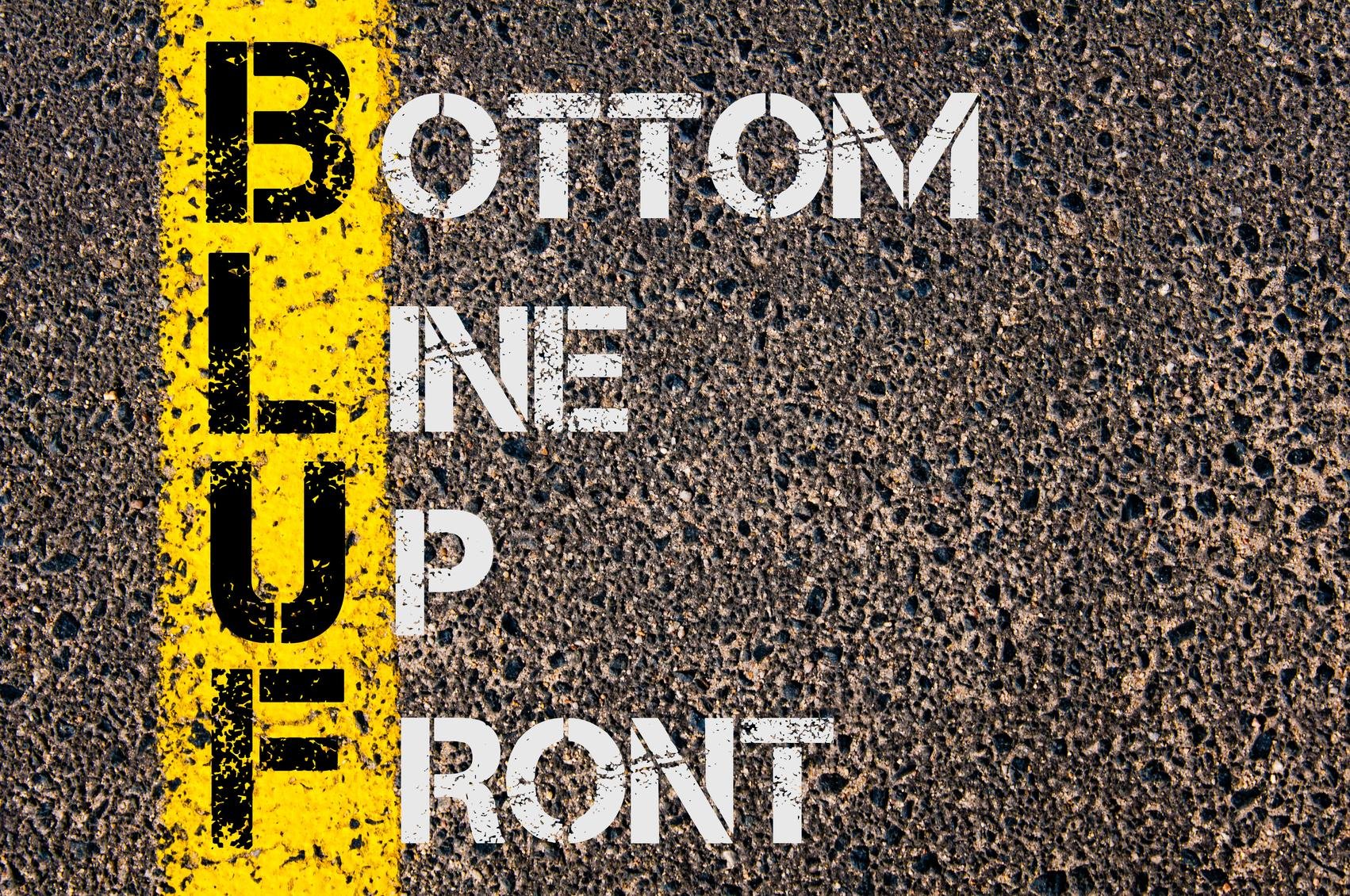
This isn’t about “faking it until you make it.” Instead, it’s about using the Bottom Line Up Front (BLUF) approach to kick off your next presentation. Start by sharing your key findings, results, or recommendations right away, ideally on the first slide. Then, if needed, you can dig into the supporting details.

Why Your Stress needs to be Eustress
Some positive words often get overshadowed by their negative counterparts. Take the word "gruntled." When was the last time you heard someone say they were gruntled? But how often do you hear about people being "disgruntled"?
Another word that gets overshadowed this way is "eustress," which is the opposite of "distress." What’s the difference? Eustress is beneficial stress that can enhance performance and well-being, while distress is harmful stress that makes you feel anxious, afraid, or even depressed.

Why "Any Questions?" Shouldn't Be Your Last Slide
The last slide you want as your last slide is "Any Questions?"
No, I’m not asking if there are any questions; that’s the point. The final slide of your presentation should not be "Any Questions?" And yet, we all do it. It’s ingrained in our presentation DNA to conclude a motivating and compelling presentation with that very phrase.
But why should "Any Questions?" not be your final slide?
#awkward. A Lesson on the Importance of Reading the Room
There was a time before Teams, Zoom, and other video-conference technologies when people sat around a table using a device known as a “phone,” which allowed them to hear but not see each other.
That's when the problem began.

How to Choose Which Ball to Drop
A new year is here, and with it, the ushering in of the latest strategies, initiatives, and projects to kick off the first quarter. You may quickly find yourself unable to juggle everything, despite your best efforts to prioritize, delegate, and negotiate. One of those balls will drop; the question is, which one?
Easy. Ask yourself which project, task, or initiative is a rubber ball and then drop that one.
Let me explain.

3 Reasons to Stop Remote Work FROM THE OFFICE
Companies are becoming increasingly insistent on employees returning to the office. To me, a three-to-four-day office schedule with one to two days of remote work is the ideal ratio. However, I've noticed that even when I'm physically present in the office, I'm still working remotely.
How is that possible?
Transform Your Name into a Verb
You'll hear a lot of three-letter acronyms (TLAs) when you start a new position at a company. You’ll also hear the same two or three people’s names pop up time and again when there's a need for a specific skill. “Oh, yeah, we need to check with Stephen on this,” or “Cynthia will have the answer to that”. Why is this? Because they’ve built a great reputation and set themselves up as an expert in their particular area.

If You Aren’t Embarrassed by Your First Version, You’re Not Moving Fast Enough
I listen to a lot of podcasts. There’s always a point in time where the host(s) reflect back on their first episodes and say, “We don’t encourage anyone to listen to our early episodes, but if you must, you can find them here.” They quickly explain with some variation of, “We didn’t know what we were doing, the audio was terrible, and our interviewing style was horrendous.”
How to Meet Them Where They're At
I don’t think I fully understood the meaning of “meet them where they’re at” until somebody “met me where I was at.” Let me explain.
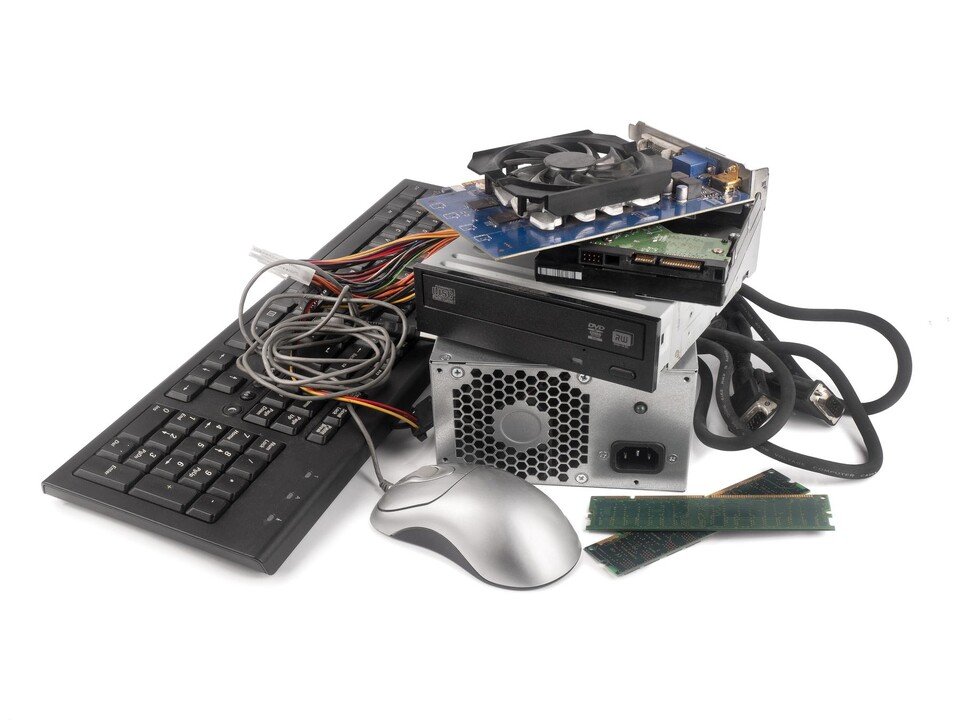
Office workers have a tendency to accumulate electronic equipment over the years. An extra monitor that’s no longer in use gets tucked behind the door. An old keyboard, mouse, phone and even laptop computer are shoved into a desk drawer. Headsets, microphones, and tons of cables get jammed into a box never to see the light of day again.

A Lesson in Premium Pricing
Convenience stores are thus named for a reason. They are convenient. You don’t have to search for a parking spot a hundred yards away, or walk five minutes to get milk from the back left corner of the store, or stand in long lines to pay. You get in, get out, and are on your way.
However, this convenience comes at a premium. Expect to pay 10%-12% more on average for fewer choices and smaller quantities. The convenience store model charges for how much time they save you. They do not confuse volume with value.